



Definition and Purpose
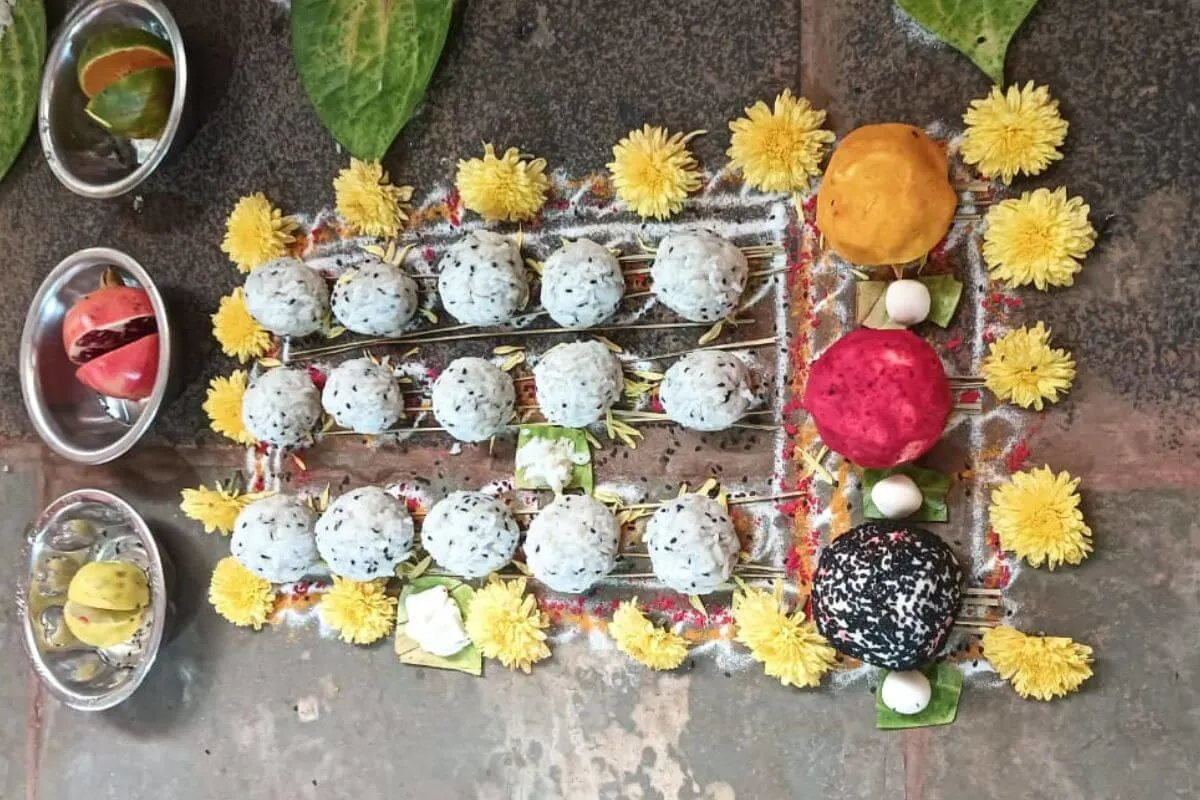
Tripindi Shradh is a powerful Vedic ritual offering peace to three generations of departed ancestors (father’s side, mother’s side, and wife’s/husband’s side) whose last rites were incomplete, improperly performed, or neglected for three consecutive years. “Tri” means three, “Pindi” refers to rice balls (pind) offered to departed souls.
Spiritual Significance
According to ancient texts like Shradh Chintamani, unsatisfied ancestors become restless and manifest problems in descendants’ lives. One month of human time equals one day for departed souls. When proper offerings aren’t made, ancestors experience suffering in their spiritual journey, causing afflictions to manifest in the living family.
Trimbakeshwar Connection
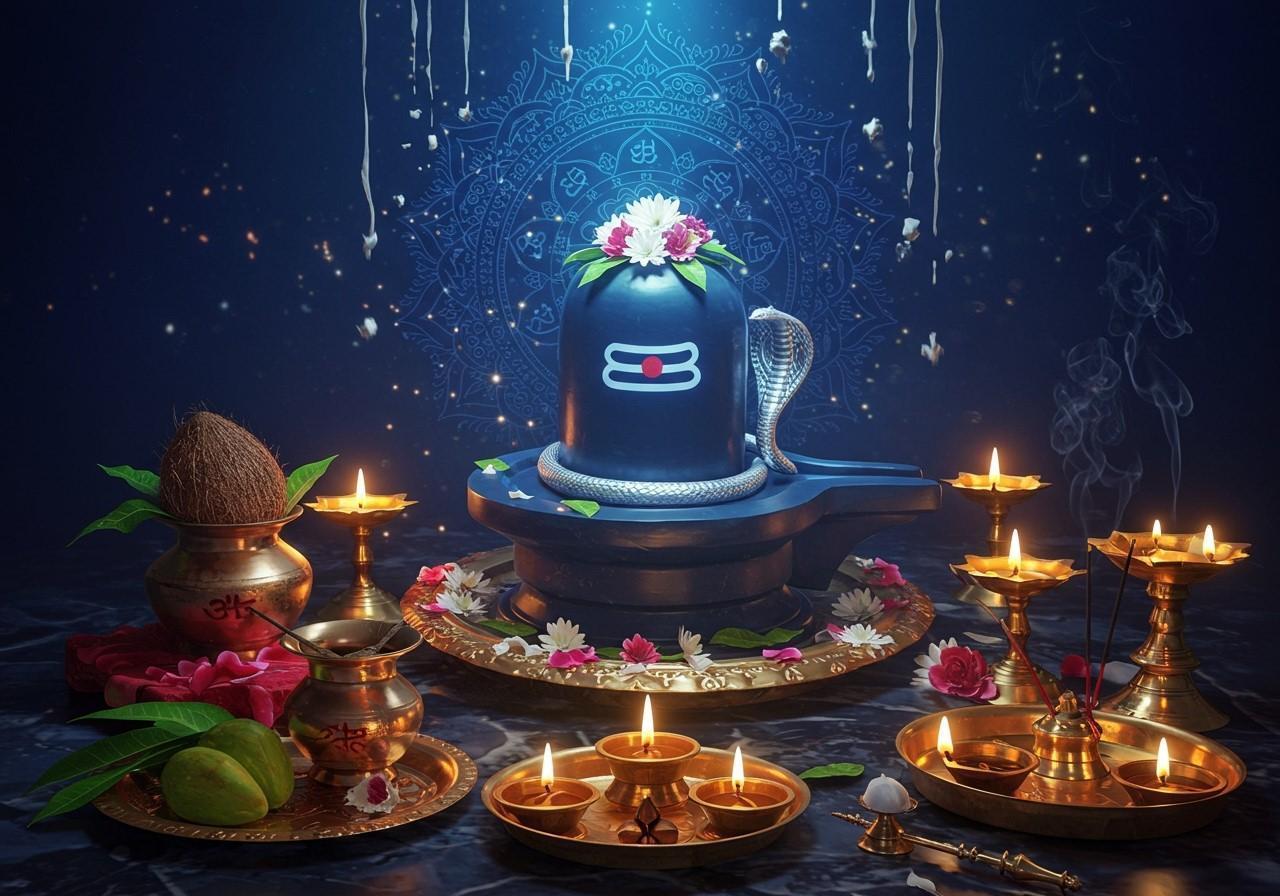
The epic Raghuvansham by Kalidas specifically mentions Trimbakeshwar (Maheshwar Trambak) as the ideal location for this ritual. The prayer “Hey Maheshwara, destroy all demons troubling us” refers to Trimbakeshwar’s unique power to liberate troubled souls. The presence of Jyotirlinga, Godavari’s origin, and concentrated spiritual energy make this location supremely effective for ancestral rites.
KEY FACTS:
- Duration: 3-4 hours (single day)
- Best Performed: Ashwin month (based on ancestor’s death anniversary), Mahalaya Paksha, or year-round when needed
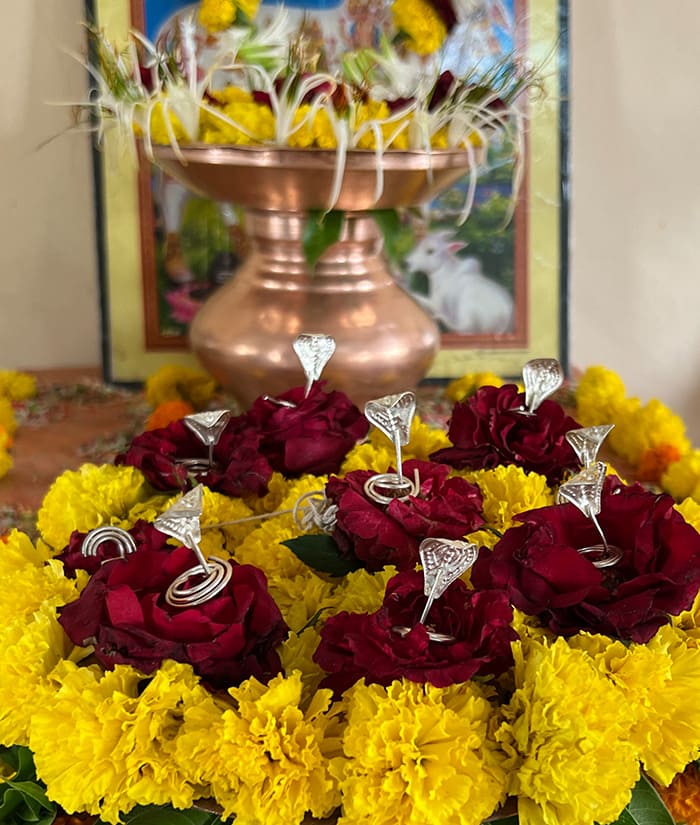
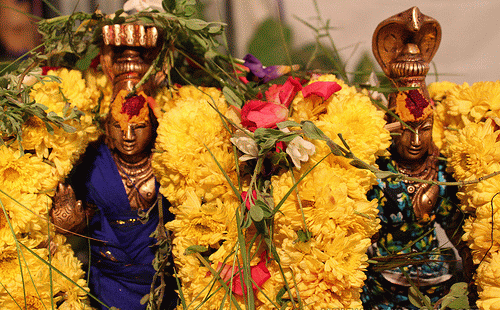
- Deities Invoked: Brahma (Silver), Vishnu (Gold), Rudra/Shiva (Copper)
- Main Offerings: Pind Daan (rice balls), Tarpan (water offerings), specific items for three generations