



Frequently Asked Questions
Narayan Nagbali Puja
Q1. Who can perform Narayan Nagbali Puja, and are there any restrictions?
Any family member can perform Narayan Nagbali Puja on behalf of their entire family lineage. Traditionally, the eldest son performs ancestral rites, but in modern times, any sincere family member—male or female—can undertake this responsibility. Ideally, at least one direct descendant should be present during the three-day ritual. Women are welcome to participate, though during menstruation, it’s traditionally advised not to participate in direct ritual activities out of respect for purity requirements. However, women can still be present in the temple area and will receive the puja benefits. The ritual can be performed regardless of caste, religion, or social background—ancestral souls require liberation universally.
Q2. How is Narayan Nagbali different from Tripindi Shradh?
Both are ancestral liberation rituals but serve distinct purposes. Narayan Nagbali specifically addresses souls who died unnatural deaths (accidents, suicide, murder, sudden illness) and removes severe Pitru Dosha and serpent curses (Nag Dosha). It’s a three-day comprehensive ritual combining Narayan Bali and Nag Bali ceremonies. Tripindi Shradh is performed for ancestors whose regular death rites were not performed properly over the past three generations—it’s a one-day ritual addressing incomplete funeral ceremonies. If your family has history of unnatural deaths, repeated miscarriages, or severe generational problems, Narayan Nagbali is needed. For general ancestral appeasement where death rites were simply neglected, Tripindi Shradh suffices. Manish Shastri’s kundali analysis determines which ritual your family truly needs.
Q3. What is the cost of Narayan Nagbali Puja, and why is it more expensive than other pujas?
Narayan Nagbali Puja costs ₹21,000 to ₹31,000 because it’s an elaborate three-day ritual requiring multiple experienced Shastris, extensive materials (flour effigies, specific offerings for each day, Brahmin feeding), and complex Vedic procedures performed over consecutive days. The cost includes: all three days of ceremonies, complete puja materials for Narayan Bali and Nag Bali, team of qualified priests, proper Sankalpa with family lineage details, certificate, photographs, and post-puja guidance. Unlike simple 2-3 hour pujas, this is intensive multi-day spiritual work addressing deep ancestral karma affecting multiple generations. The investment brings lifetime benefits—breaking generational curses, protecting future descendants, and transforming your family’s spiritual destiny. Many families report that improvements in just one area (successful pregnancy, business recovery) far exceed the ritual cost.
Q4. How long until we see results from Narayan Nagbali Puja?
Immediate effects include profound mental peace, lighter emotional state, and sense that a heavy ancestral burden has lifted—often felt during the ritual itself. Within 2-4 weeks, notice subtle positive shifts in household atmosphere, reduced family conflicts, and improved sleep (fewer disturbing dreams of ancestors). Over 3-6 months, expect noticeable life improvements: successful pregnancies after years of miscarriages, health issues resolving, financial stability returning, relationship harmony improving. Major family transformation in terms of generational patterns breaking typically manifests within a year as ancestral blessings fully activate. For families with severe multi-generational curses, complete transformation may unfold over 2-3 years. Remember, some temporary turbulence can occur as old karmic patterns dissolve before breakthrough happens.
Q5. Can we perform Narayan Nagbali Puja if we don’t know which ancestors died unnatural deaths?
Yes, absolutely. Many families don’t have complete records of how ancestors died, especially going back several generations. The ritual works even without specific knowledge of individual ancestors because the Sankalpa (sacred intention) is declared for “all ancestors in the family lineage who died abnormal deaths and whose souls are restless.” The spiritual mechanism addresses all relevant ancestral souls regardless of whether you know their names or circumstances. During consultation, Manish Shastri may identify ancestral issues through your kundali analysis or family patterns (repeated miscarriages, sudden deaths, specific problems affecting multiple generations). The ritual’s power lies in proper Vedic procedure and divine grace, not on your detailed historical knowledge. Your sincere intention to liberate ancestral souls is what matters most.
Q6. Do all family members need to attend the three-day Narayan Nagbali Puja?
No, not all family members must attend. Ideally, the person performing the puja (usually eldest son or primary family representative) should be present for all three days. Other close family members can attend for portions of the ritual, particularly Day 1 and Day 3 which have the most significant ceremonies. Some family members may attend Day 1 Sankalpa (to ensure family details are correctly declared) and Day 3 completion, while the primary person attends continuously. For families where no one can attend all three days due to work or distance, Manish Shastri can perform the complete ritual on your behalf with proper Sankalpa mentioning all family lineage details. Photos and updates are provided daily. However, personal participation—especially by the family head or eldest member—creates stronger spiritual connection and more profound ancestral blessings.
Q7. What should we bring for the three-day Narayan Nagbali Puja?
Bring: complete list of deceased family members’ names (especially those who died unnaturally, if known), your gotra (family lineage) information, birth details of the person performing the puja, photographs of deceased ancestors if available (optional but meaningful), traditional attire for all three days (men: dhoti-kurta or clean traditional wear; women: saree or salwar-kameez), any personal items you wish to have blessed, and most importantly—devotion, faith, and intention to liberate ancestral souls. All puja materials (samagri), flour for effigies, offerings, and ritual items are provided as part of the package. You need only bring yourself, your family information, and sincere heart. For accommodation during the three days, we provide recommendations—most devotees stay in Trimbakeshwar lodges or hotels within walking distance of the temple.
Mahamrityunjaya Mantra Jaap
Q1. What is the difference between 108, 1,008, and 1,25,000 repetitions of Mahamrityunjaya Mantra?
The mantra count determines the intensity and scope of healing protection. 108 repetitions (₹5,100, 1-2 hours) provides general health protection, pre-surgery blessings, and preventive care for minor concerns—suitable for routine spiritual health maintenance. 1,008 repetitions (₹11,000, 3-4 hours) offers enhanced healing for serious illness, major surgery support, or accident recovery—recommended when facing significant health challenges. 11,000 repetitions (₹31,000, one full day) provides deep healing for chronic diseases, life-threatening conditions, or severe karmic health issues. 1,25,000 repetitions (₹1,51,000, 11-day Anusthan) is the complete transformation ritual for terminal illness, extreme health crises, or when facing predicted death (Mrityu Yoga in chart). Manish Shastri recommends the appropriate count based on your health situation honestly—we never upsell unnecessary repetitions.
Q2. Can Mahamrityunjaya Mantra Jaap cure terminal illness or guarantee survival?
We must be honest and compassionate: Mahamrityunjaya Mantra is extremely powerful for healing and protection, but spiritual remedies work within the framework of karma and divine will. The mantra can create miraculous healing—many have recovered from terminal diagnoses after this jaap. However, in some cases where death is destined due to deep karma, the mantra provides peaceful transition, reduces suffering, grants spiritual liberation, and helps the soul’s journey to higher realms. This too is divine healing—sometimes liberation from the physical body itself is the ultimate mercy. The mantra should complement, never replace, proper medical treatment. Continue all prescribed medications and therapies. View this as addressing spiritual and karmic dimensions while medicine addresses physical aspects. Most importantly, the mantra always provides peace, comfort, and divine support regardless of physical outcome.
Q3. Can I chant Mahamrityunjaya Mantra myself at home instead of having the puja done?
Yes, you absolutely can and should chant Mahamrityunjaya Mantra daily at home—it’s highly beneficial for everyone. Regular personal chanting (even 11, 21, or 108 times daily) provides ongoing protection and health support. However, personal chanting differs significantly from the formal jaap performed by qualified Shastris at Trimbakeshwar. The professional ritual involves: thousands of repetitions with perfect Sanskrit pronunciation creating powerful cumulative energy, proper ritual framework (Ganesh puja, Kalash sthapana, havan) amplifying effectiveness, performed at sacred Jyotirlinga where Shiva’s energy is concentrated, multiple experienced Shastris for large-count continuous chanting, and specific offerings and procedures prescribed in Vedic texts. Think of personal chanting as daily vitamin maintenance while the professional jaap is intensive healing intervention. For serious health crises, both are recommended—formal ritual at Trimbakeshwar plus ongoing daily personal practice.
Q4. My relative is hospitalized and cannot travel. Can we still perform Mahamrityunjaya Jaap for them?
Absolutely yes. In fact, most Mahamrityunjaya Jaaps are performed for patients too ill to travel to Trimbakeshwar. A close family member attends and performs the Sankalpa with the patient’s complete details (name, birth information, current health condition) and photograph. The healing energy reaches the patient regardless of physical distance—the power lies in proper Vedic procedure at the sacred Jyotirlinga site and sincere intention, not physical presence. We can arrange daily updates via phone during multi-day Anushtans, send photos of the ritual, and provide video recording if desired. Many families report that patients in ICU or critical care experience sudden positive shifts coinciding exactly with the jaap timing—improved vitals, reduced pain, doctors noting unexpected improvement. The patient should rest quietly during the ritual hours if possible, creating receptivity to the healing energy being generated.
Q5. When is the best time to perform Mahamrityunjaya Jaap—before surgery, after diagnosis, or anytime?
The mantra can be performed anytime, but specific situations have optimal timing. Before major surgery: Ideally 3-7 days before the operation date to create protective energy field, reduce complications, and support successful outcome. After serious diagnosis: As soon as possible after learning of critical illness (cancer, heart disease, etc.) to begin the healing process and support medical treatments. During illness: Anytime during active disease to aid recovery and strengthen body’s healing capacity. During difficult planetary periods: If your kundali shows Mrityu Yoga or challenging Saturn/Rahu transits indicating health vulnerability, perform preventively even before problems manifest. Emergency situations: For sudden accidents, heart attacks, strokes, or life-threatening emergencies, arrange immediately—Manish Shastri is available 24/7 for urgent health crisis situations and can begin the ritual within hours. Divine grace operates beyond timing considerations when genuine need exists.
Q6. What should we do with the blessed vibhuti and items received after Mahamrityunjaya Jaap?
The sacred ash (vibhuti) and items received carry the concentrated healing energy of thousands of mantra repetitions and should be treated with reverence. Vibhuti application: Apply daily to the affected body part or forehead after morning bath, using a pinch with the mantra “Om Tryambakam Yajamahe.” For serious illness, apply to the disease area directly (tumor location, surgical site, painful region). Store vibhuti in clean container in your puja room. Rudraksha beads or blessed pendants: Wear continuously, even while sleeping and bathing. These carry protective energy—don’t remove unnecessarily. Prasad: Consume with awareness that this food is blessed by Lord Shiva. Share with the patient and close family. Water from ritual (if provided): Give patient few drops daily or use in cooking. Photographs of the puja: Keep in prayer room as visual reminder of divine protection. These blessed items maintain the healing energy field created during the ritual and provide ongoing spiritual support throughout recovery.
Q7. How often should Mahamrityunjaya Mantra Jaap be repeated for chronic illness?
For acute situations (pre-surgery, sudden diagnosis, immediate health crisis), one properly performed jaap with appropriate mantra count is often sufficient to provide the needed protection and healing support. For chronic long-term conditions (cancer treatment extending months, chronic kidney disease, progressive neurological conditions), many devotees perform the jaap at key intervals: initially at diagnosis, before major treatments, at 3-month or 6-month points during long treatment journeys, and annually as ongoing protection. If you’re in extended Mahadasha (planetary period) indicating health vulnerability, annual repetition on your birthday or during specific auspicious months provides sustained protection. However, avoid mechanical repetition without faith—one jaap performed with complete devotion is more powerful than multiple rituals done without sincere connection. Consult Manish Shastri about whether repeat jaaps are truly needed or if other complementary remedies (gemstones, ongoing personal mantra practice, lifestyle changes) would better serve your situation.
Rudrabhishek Puja
Q1. What is the difference between regular Shiva puja and Rudrabhishek?
Regular Shiva puja involves offering flowers, incense, lamp, and simple prayers at home or temple—typically 15-30 minutes of basic worship. Rudrabhishek is a much more elaborate sacred ceremony involving physical bathing of the Shivalinga with Panchamrut (five holy nectars: milk, curd, ghee, honey, sugar) plus additional sacred substances (holy water, fruit juices, tender coconut) while simultaneously chanting powerful Rudra Sukta mantras from the Yajurveda. The combination of physical offerings with Vedic sound vibrations creates exponentially stronger divine connection and blessing energy. At Trimbakeshwar Jyotirlinga specifically, you’re bathing one of the 12 most sacred Shiva manifestations—this amplifies effectiveness beyond regular temple worship. Rudrabhishek takes 2-3 hours with complete Vedic procedures and creates lasting transformation, while regular puja provides daily devotional connection. Both have value, but Rudrabhishek is for significant life events, major desires, or comprehensive blessings.
Q2. Can I perform Rudrabhishek for specific wishes like marriage, job promotion, or business success?
Absolutely yes. Rudrabhishek is particularly powerful for wish fulfillment because you’re directly honoring Lord Shiva, who is called Bholenath—”the easily pleased one” who grants devotees’ sincere desires. During the Sankalpa (sacred intention), your specific prayers and wishes are declared before Lord Shiva. Common wishes include: finding suitable marriage partner, career advancement and promotions, business prosperity and new opportunities, child conception for couples facing infertility, success in legal matters or disputes, property acquisition or real estate success, recovery from illness, education and exam success, spiritual growth and enlightenment. Be sincere and realistic in your requests—ask for legitimate desires that serve your highest good and dharma. Lord Shiva grants wishes that align with your karmic path and soul evolution. Many devotees report that after Rudrabhishek at Trimbakeshwar, opportunities and circumstances align mysteriously to manifest their prayers within 3-6 months.
Q3. What’s the difference between basic Rudrabhishek, Laghu Rudra, and Maha Rudra Abhishek?
Basic Rudrabhishek (₹5,500-7,000, 2-3 hours) includes standard Panchamrut abhishek with essential Rudra mantras, Ganesh puja, basic offerings, and aarti—perfect for general blessings and regular worship. Laghu Rudra Abhishek (₹11,000-15,000, 3-4 hours) is enhanced version with more extensive mantra chanting (complete Shri Rudram), additional offerings, longer duration, and more elaborate procedures—recommended for specific important desires, significant life events, or when seeking stronger blessings. Maha Rudra Abhishek (₹31,000-51,000, 4-5 hours) is the grand ceremonial version with multiple experienced Shastris chanting simultaneously, complete Rudram-Chamakam recitation, extensive elaborate offerings, maximum ritual completeness, and supreme blessing energy—reserved for major life milestones, severe dosha removal, marriage ceremonies, significant birthdays, or when seeking extraordinary divine intervention. Manish Shastri recommends the appropriate level based on your situation and goals honestly—we never pressure for expensive options unnecessarily.
Q4. Is Monday really the best day for Rudrabhishek, or can it be done any day?
Rudrabhishek can be performed any day and receives Lord Shiva’s blessings, but Mondays (Somvar) hold special power for Shiva worship and are considered most auspicious. Monday is dedicated to Lord Shiva, and performing abhishek on this day—especially during morning hours—brings exceptional blessings and quicker wish fulfillment. The power multiplies during: Shravan Mondays (July-August, most sacred), Pradosh days (13th lunar day, particularly evening period), Maha Shivaratri (annual great night of Shiva, usually February-March), your birthday (personal blessings for the year ahead), and before major life events (business launches, weddings, important decisions). If you can’t perform on Monday due to scheduling, don’t worry—sincere devotion matters more than specific timing. Manish Shastri can calculate personally auspicious dates based on your birth chart. For urgent needs or specific wishes, the puja can be arranged quickly regardless of weekday. Divine grace responds to genuine devotion regardless of calendar.
Q5. Can women participate in Rudrabhishek during menstruation?
Traditional temple guidelines suggest women avoid direct temple entry during menstruation out of respect for purity protocols. However, this varies by interpretation, and many modern spiritual teachers emphasize that inner devotion and purity of heart matter more than physical states. At Trimbakeshwar, if you’re menstruating, options include: having the puja performed on your behalf with family member representing you for Sankalpa, scheduling the puja for dates outside your menstrual cycle (when booking in advance), or in some cases, participating from designated areas without entering the main sanctum. The divine blessings reach you equally regardless. Many women have had successful Rudrabhishek performed during menstruation through family representation, experiencing full benefits. When booking, simply mention this consideration to Manish Shastri who can advise appropriate arrangement without judgment.
Q6. What happens to the Panchamrut after it’s offered to Lord Shiva?
The Panchamrut (milk, curd, ghee, honey, sugar mixture) that flows over the Shivalinga during abhishek becomes divinely blessed prasad carrying Lord Shiva’s energy and blessings. After the ritual, this sacred mixture is collected and distributed to devotees. You receive a portion to consume immediately and some to take home. Benefits of Panchamrut prasad: considered divine nectar (amrit) that bestows health, prosperity, and spiritual merit, consuming it with faith brings blessings into your body and being, believed to cure ailments and provide protection, and sharing with family extends blessings to entire household. How to use: Consume some immediately at the temple with reverence, take remaining home in clean container, give to family members (especially children, elderly, sick), can be mixed in regular milk or consumed directly, store in refrigerator and consume within 2-3 days, and never discard—finish completely or offer to plants. The prasad maintains the abhishek’s blessing energy, providing ongoing spiritual support after you leave Trimbakeshwar.
Q7. Should I combine Rudrabhishek with Mahamrityunjaya Jaap for health issues?
Yes, combining both creates powerful synergy for comprehensive divine intervention, especially during health challenges. Rudrabhishek honors Lord Shiva through elaborate devotional worship and physical offerings, pleasing him deeply and invoking general blessings. Mahamrityunjaya Mantra Jaap specifically activates healing protection through the life-conquering mantra’s sound vibrations. Together they provide: devotional connection plus targeted healing energy, physical ritual plus subtle energy work, overall blessings plus specific health focus, and Shiva’s grace through multiple channels. Many devotees perform Rudrabhishek first (honoring Shiva), immediately followed by Mahamrityunjaya Jaap (specific healing invocation) in the same visit to Trimbakeshwar. Combined packages offer 10-15% cost savings versus separate rituals. However, for pure health crisis without other concerns, Mahamrityunjaya Jaap alone may suffice. For comprehensive support during health challenges where you also want career stability, family harmony, and overall prosperity, combining both is highly recommended. Manish Shastri provides honest guidance on what truly serves your situation.
Rahu Ketu Puja
Q1. How do I know if I have Rahu Ketu dosha in my birth chart?
Common life indicators include: sudden unexpected setbacks when success seems within reach, chronic confusion and poor decision-making despite intelligence, marriage delays with proposals breaking mysteriously, addiction or destructive behavioral patterns you can’t control, sudden financial losses without clear reason, recurring relationship trust issues and betrayals, feeling stuck despite hard work and good planning, involvement in scandals or reputation damage, and technology or vehicle problems repeatedly. However, only proper kundali analysis confirms actual Rahu-Ketu dosha. Manish Shastri provides free initial birth chart analysis—send your accurate birth details (date, exact time, place) and he’ll assess whether you genuinely have Rahu-Ketu affliction or if symptoms stem from different planetary issues. We only recommend this puja if your chart actually shows the dosha—honest guidance prevents unnecessary rituals and expenses.
Q2. Is Rahu Ketu Puja different from Kalsarp Dosh Puja?
Yes, they’re different though related. Kalsarp Dosh is a specific configuration where all seven planets (Sun, Moon, Mars, Mercury, Jupiter, Venus, Saturn) fall between Rahu and Ketu in the birth chart, creating a serpent-like enclosure. This creates a distinct set of problems and requires specific Kalsarp Dosh Puja. Rahu Ketu Puja addresses any malefic placement or influence of these shadow planets, whether or not Kalsarp Dosh exists. You can have Rahu-Ketu problems without having Kalsarp Dosh. However, if you have Kalsarp Dosh, you likely need both rituals or a combined ceremony. Many people have both doshas simultaneously. Manish Shastri’s kundali analysis determines your exact planetary situation and recommends appropriate ritual(s). Combined Rahu-Ketu plus Kalsarp packages (₹16,000-25,000) address both comprehensively with cost savings.
Q3. Why is accurate birth time so important for Rahu Ketu Puja?
Rahu and Ketu’s positions in your chart are highly sensitive to birth time accuracy because they’re mathematical points (lunar nodes) that move quickly and affect house placements significantly. Even 4-5 minute error in birth time can shift Rahu-Ketu into different houses, completely changing the dosha interpretation and required remedies. Incorrect birth time might show Rahu in 7th house (marriage problems) when it’s actually in 6th house (enemy/health issues), leading to wrong ritual focus. For accurate kundali analysis, provide birth time to the minute if possible from birth certificate, hospital records, or parents’ clear memory. If exact time is unknown, inform Manish Shastri—he can use rectification techniques or alternative analysis methods, though results are less precise. Never guess or approximate birth time for astrological remedies—honesty about uncertainty is better than inaccurate data.
Q4. Can Rahu Ketu Puja help with marriage delays and relationship problems?
Absolutely yes. Rahu-Ketu afflictions are among the most common astrological causes of marriage obstacles and relationship dysfunction. Marriage delays caused by Rahu-Ketu: proposals breaking mysteriously at last moment, inability to find suitable partners despite good prospects, family opposition or external obstacles appearing repeatedly, trust issues preventing commitment, and attraction to wrong or unavailable partners. Relationship problems: chronic misunderstandings and communication breakdown, infidelity or betrayal (Rahu governs deception), sudden separations without clear reason, addiction affecting partnership (alcohol, pornography, gambling), and in-law conflicts and family interference. The puja neutralizes these shadow planet influences, clearing the path to healthy partnerships. After Rahu-Ketu Puja, many devotees report suitable proposals materializing within 3-6 months, existing relationships healing and stabilizing, and ability to make wise partner choices improving dramatically. Combine with practical relationship efforts—the puja removes spiritual obstacles while you take appropriate worldly actions.
Q5. What gemstones are recommended for Rahu and Ketu, and must I buy them?
Hessonite (Gomed) is Rahu’s gemstone—honey-colored to brownish, worn in silver on middle finger to strengthen positive Rahu effects and minimize negative ones. Cat’s Eye (Lehsunia) is Ketu’s gemstone—chatoyant stone with cat-eye effect, worn in gold/panchdhatu on ring finger for Ketu benefits. However, gemstones are powerful but optional, and should NEVER be worn without expert astrological analysis. Improperly used gemstones can intensify problems rather than solve them—Rahu-Ketu stones are particularly tricky. During consultation, if Manish Shastri determines gemstones would benefit your specific chart, he’ll advise which stone, exact weight (usually 5-7 carats for Gomed, 3-5 carats for Lehsunia), metal setting, finger to wear, and auspicious time to begin wearing. Many people receive full benefits from the puja alone without gemstones. We provide guidance but never pressure sales. If recommended, procure from reputable dealers with authenticity certificates—we can suggest trusted sources but don’t sell gemstones ourselves.
Q6. What should I avoid after Rahu Ketu Puja to maintain the benefits?
For 21-40 days minimum after the puja, strictly avoid behaviors that strengthen negative Rahu-Ketu patterns: Absolutely avoid: lying, cheating, or deceptive behavior of any kind (counteracts Rahu’s nature), alcohol and all intoxicants (Rahu governs addictions—this is critical), occult practices, séances, or supernatural dabbling (Rahu-Ketu govern these realms), excessive gambling or risky speculation without proper planning, and involvement with unethical people or questionable situations. Dietary restrictions: avoid black lentils (urad dal), sesame oil, and maintain vegetarian diet if possible. Reduce: excessive technology and screen time (Rahu governs modern electronics), impulsive decision-making, and starting major ventures without proper consideration. Practice: absolute honesty in all dealings, conscious decision-making, daily Rahu-Ketu mantras (even 11 times), applying blessed vibhuti daily, and charitable acts (feed stray dogs, donate black cloth on Saturdays). These observances help the puja’s positive planetary shifts integrate deeply rather than being undermined by old destructive patterns.
Q7. How long does Rahu or Ketu Mahadasha last, and will the puja help?
Rahu Mahadasha lasts 18 years and Ketu Mahadasha lasts 7 years in the Vimshottari dasha system—these are extended periods when that particular planet’s influence dominates your life. During these Mahadashas, the planet’s qualities (positive or negative depending on chart placement) intensify significantly. If Rahu-Ketu are poorly placed, their Mahadasha can bring years of confusion, losses, obstacles, and suffering. Rahu Ketu Puja doesn’t eliminate the Mahadasha (planetary periods are karmic and must be experienced), but it significantly reduces negative effects and helps access the positive potential of these periods. After the puja during Rahu-Ketu Mahadasha: obstacles become manageable rather than overwhelming, sudden losses reduce in frequency and severity, confusion clears allowing better decisions, and you learn the spiritual lessons these periods teach without being destroyed by them. Some devotees perform this puja at the beginning of Rahu or Ketu Mahadasha as protection for the entire period, then repeat at mid-point or during particularly challenging Antardashas (sub-periods).
Q8. What’s the best day and time to perform Rahu Ketu Puja?
The most powerful days are Amavasya (new moon day), Nag Panchami, Saturdays, and during solar/lunar eclipses. The daily Rahu Kaal period (90 minutes that vary by day and location) is also highly effective for Rahu worship specifically. However, the best time is ultimately determined by analyzing your individual birth chart and current planetary transits. Manish Shastri calculates the most auspicious muhurat (timing) based on your specific kundali to maximize benefits. For urgent situations facing immediate crisis, the puja can be performed quickly regardless of typical timing considerations—genuine need and divine grace transcend astrological constraints.
Q9. Do I need to buy gemstones like Hessonite (Gomed) or Cat’s Eye (Lehsunia)?
Not necessarily. Gemstones are powerful but optional remedies for Rahu-Ketu, and should never be worn without expert astrological guidance. During your consultation, if Manish Shastri determines that gemstones would benefit your specific chart configuration, he’ll advise you on which stone, what weight, which metal setting, and when to begin wearing it. Many people benefit greatly from the puja alone without gemstones. If recommended, gemstones can be procured separately—we provide guidance but don’t pressure sales. Important: Improperly used gemstones can intensify problems rather than solve them, so only wear after thorough chart analysis by a qualified astrologer.
Q10. How often should Rahu Ketu Puja be repeated?
For most people, one properly performed Rahu Ketu Puja with sincere faith provides lasting benefits and doesn’t require frequent repetition. However, during particularly challenging Rahu or Ketu Mahadasha (major planetary periods lasting 18 and 7 years respectively) or Antardasha (sub-periods), annual or bi-annual repetition can provide additional support. If you’re facing ongoing severe challenges despite the puja, consult Manish Shastri about whether additional rituals, gemstones, or other remedies are needed. Some devotees perform this puja annually on their birthday or on Amavasya as preventive protection, but this isn’t mandatory—listen to your intuition and astrological guidance.
Q11. Can Rahu Ketu Puja help with specific problems like marriage delays or business losses?
Yes, absolutely. Rahu-Ketu afflictions commonly manifest as marriage obstacles (delays in finding partners, broken engagements, trust issues), sudden business losses, career stagnation, financial instability, and relationship conflicts. The puja specifically addresses these issues by neutralizing the planetary energies creating these blocks. For marriage delays, the puja removes obstacles attracting suitable partners and creating harmonious unions. For business, it stabilizes sudden ups and downs and improves decision-making. However, the puja works best when combined with practical efforts—the ritual removes spiritual obstacles while you take appropriate worldly actions toward your goals.
Q12. What should I avoid after performing Rahu Ketu Puja?
For 21-40 days after the puja, avoid: lying or deceptive behavior of any kind (counteracts Rahu’s nature), alcohol and intoxicants (Rahu governs addictions), black lentils (urad dal) and sesame oil, excessive gambling or speculation, occult practices or supernatural dabbling, starting major ventures without proper planning, involvement with unethical people or situations, and excessive technology/screen time. Continue vegetarian diet if possible. Most importantly, maintain honesty, make conscious decisions rather than impulsive ones, practice daily mantras, apply blessed vibhuti, and avoid behaviors that strengthen negative Rahu-Ketu patterns. These observances help the puja’s positive effects integrate deeply into your life.
Q13. Where exactly is the puja performed at Trimbakeshwar?
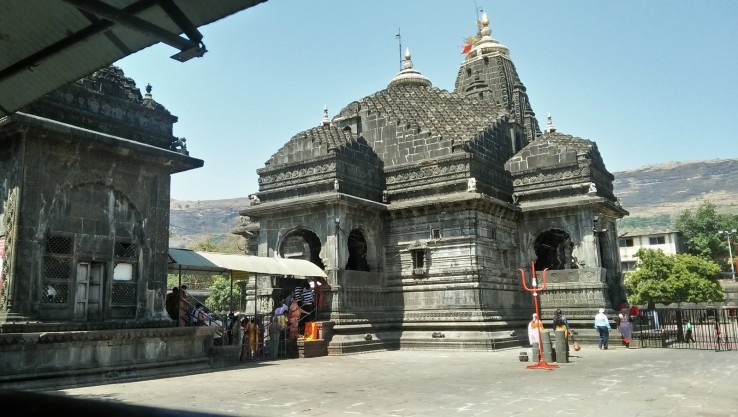
The Rahu Ketu Puja is performed in designated ritual areas near the Trimbakeshwar Jyotirlinga temple complex. The Navagraha worship and specific Rahu-Ketu rituals take place in proper puja spaces with all facilities. If the ritual includes Rudrabhishek (Shiva worship), portions are performed near the Jyotirlinga itself. The sacred fire ceremony (havan) is conducted in designated havan kundas. All locations are within the temple complex, ensuring you benefit from the concentrated divine energy of this Jyotirlinga site. Manish Shastri ensures proper ritual spaces that maximize spiritual effectiveness while following temple guidelines.
Q14. What’s included in the kundali analysis before the puja?
The pre-puja kundali analysis examines: exact positions of Rahu and Ketu in your birth chart, which houses they occupy, aspects they create with other planets, current Mahadasha and Antardasha (planetary periods), specific dosha configurations (if any), current transits affecting you, and personalized assessment of how Rahu-Ketu manifest in your particular life circumstances. Based on this analysis, Manish Shastri determines whether Rahu Ketu Puja is the appropriate remedy or if other rituals would better serve your needs. This ensures you don’t waste money on unnecessary pujas—we only recommend what genuinely benefits your chart.
Q15. Can this puja help with mental health issues like anxiety, depression, or confusion?
Yes, many mental and emotional disturbances have astrological roots, especially when connected to Rahu-Ketu afflictions. Rahu creates chronic confusion, obsessive thoughts, anxiety, and addictive patterns. Ketu can cause depression, detachment, and spiritual confusion. The puja helps by neutralizing these negative planetary influences on the mind. However, this is spiritual/astrological support that should complement—not replace—proper medical care. If you’re under psychiatric treatment or taking medications, continue them. The puja addresses the karmic and spiritual dimensions while medical treatment handles the physical/chemical aspects. This integrated approach provides comprehensive healing.
Q16. What if my problems don’t improve after the puja?
First, understand that some karmas are meant to be experienced for soul growth, and even powerful pujas work within karmic framework. However, if you’ve sincerely performed the puja and see no improvement after 3-6 months, consult Manish Shastri for follow-up analysis. Sometimes: additional remedies are needed, gemstones may be necessary, other doshas might be active, current Mahadasha is too intense for any remedy to fully neutralize, or practical life actions aren’t aligning with the spiritual work. Manish Shastri will honestly assess whether repeat puja, different remedies, or simply more time is needed. We’re committed to your genuine progress, not just performing rituals.
Q17. How do I book Rahu Ketu Puja at Trimbakeshwar?
Contact Manish Shastri directly via call or WhatsApp at +91 98XXXXXXXX. Provide your accurate birth details (date, time to the minute if possible, and place). We’ll conduct preliminary kundali analysis to confirm Rahu-Ketu dosha presence and determine appropriate ritual. Once confirmed, select convenient dates from available options. Pay advance booking amount (₹2,000-3,000) to secure your slot. Receive confirmation with preparation guidelines, timing, and location details. Balance payment before ritual commencement. For urgent situations, same-day or next-day arrangements can often be accommodated. We’re available 24/7 for inquiries and booking.
Q18. Is online/remote Rahu Ketu Puja effective, or must I come to Trimbakeshwar?
The puja is performed physically at Trimbakeshwar by qualified priests—this isn’t “online puja” in the sense of virtual ceremony. However, you don’t need to physically attend; the puja can be performed on your behalf with proper Sankalpa using your birth details. The effectiveness comes from authentic Vedic procedures performed at the sacred Jyotirlinga site, not your physical presence. We send you photos/videos, and the planetary remedial effects reach you wherever you are. That said, if possible, personal participation creates deeper spiritual experience and stronger connection. Think of it like surgery—the operation happens whether you watch or not, but being aware of the process can be meaningful.
Q19. What accommodation options are available near Trimbakeshwar for multi-day stays?
Trimbakeshwar has numerous accommodation options ranging from budget lodges (₹800-1,500/night) to comfortable hotels (₹2,500-5,000/night). Most accommodations are within 10-15 minutes walking distance from the temple. We provide specific recommendations based on your budget and requirements. For peak seasons (Shravan month, major festivals), booking accommodations 2-3 weeks in advance is advisable. Some devotees prefer staying in nearby Nashik city (30 km away) which has wider hotel options and better amenities, then traveling to Trimbakeshwar for the puja day. We assist with accommodation guidance as part of our service.